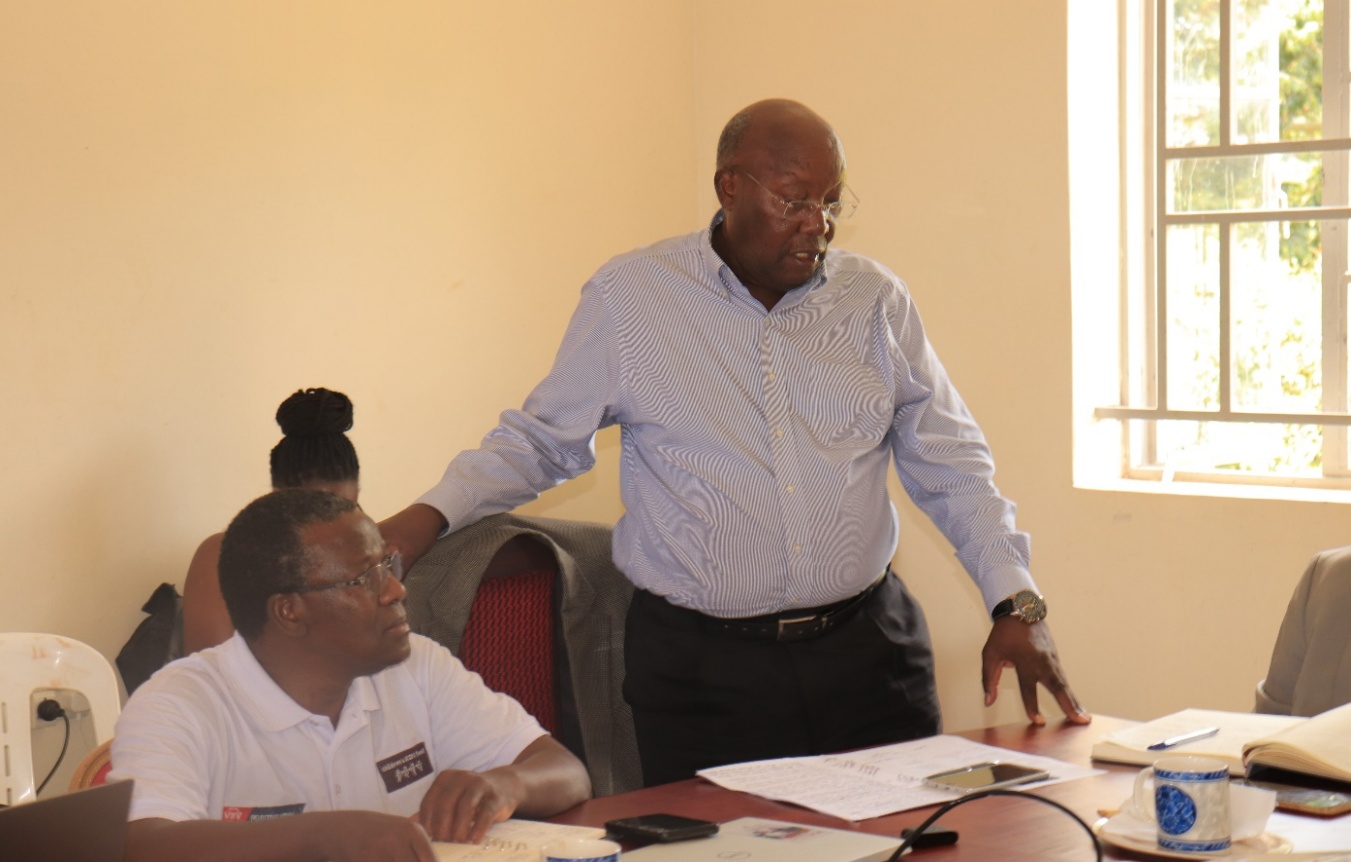
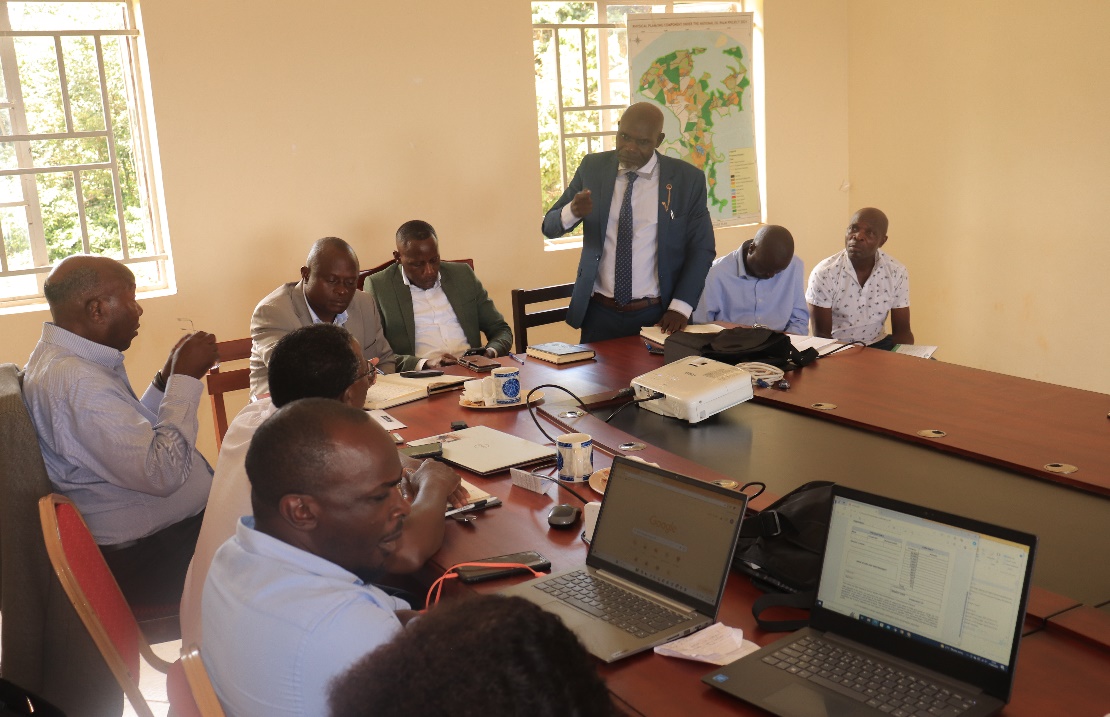
HIV and priority health services
HIV testing, treatment initiation, adherence support, viral load monitoring and differentiated service delivery for children, adolescents, adults and key populations.
About CAFU
Integrated health and development programs for vulnerable and underserved communities in Uganda.
Children’s AIDS Fund Uganda (CAFU) is a nationally registered Ugandan non-governmental organisation established in 2005 and affiliated with Children’s AIDS Fund International (CAFI).
CAFU delivers integrated, evidence-based, family-centred and community-driven health and development programs for vulnerable and underserved populations, particularly in settings with a high burden of HIV and in hard-to-reach communities.
A healthy and productive HIV-free population.
To create an enabling environment for families to access comprehensive integrated HIV and priority health services through promotion of sustainable development approaches for a healthy and productive population in Uganda and beyond.
Our approach
Our integrated interventions address both the clinical and structural drivers of vulnerability.
HIV testing, treatment initiation, adherence support, viral load monitoring and differentiated service delivery for children, adolescents, adults and key populations.
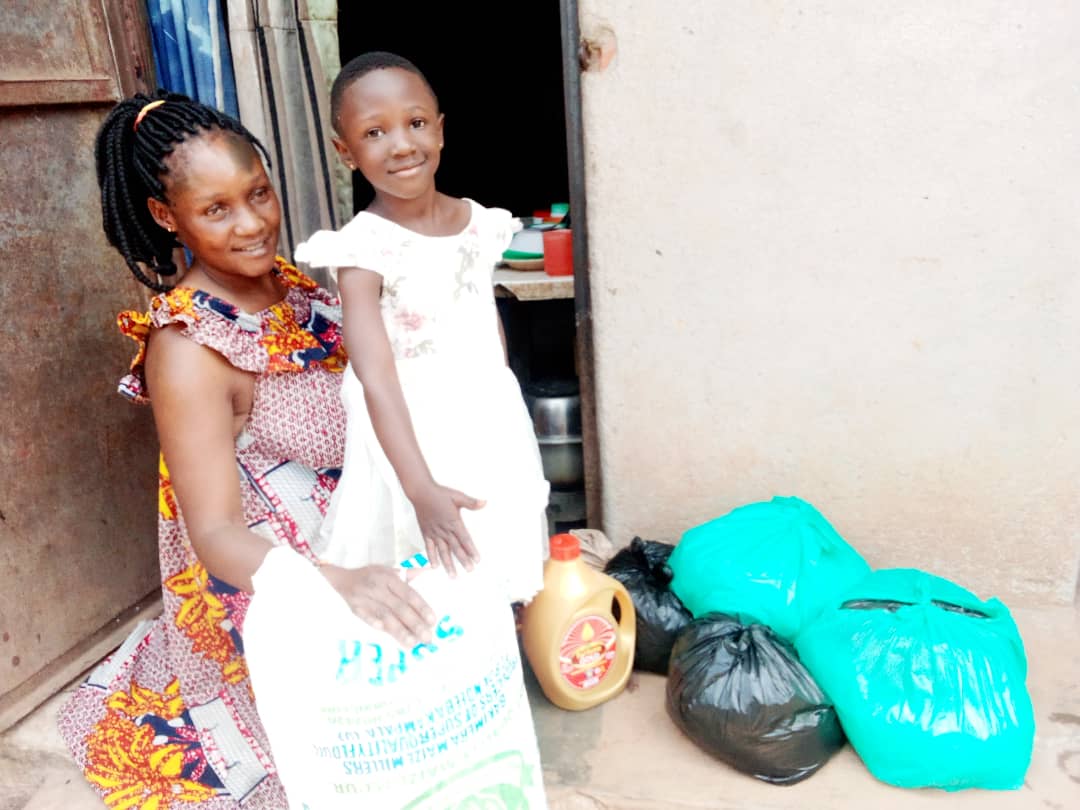
Holistic support for children and HIV-affected households, addressing health, education, nutrition, protection and psychosocial wellbeing.
Capacity building for community health workers, peer leaders and young people, alongside social and behaviour change communication and digital health approaches.
Income-generating activities, enterprise development and start-up capital to strengthen household resilience and support sustained treatment adherence.
CAFU works with government and local partners to create lasting, sustainable impact in underserved and hard-to-reach communities across Uganda.
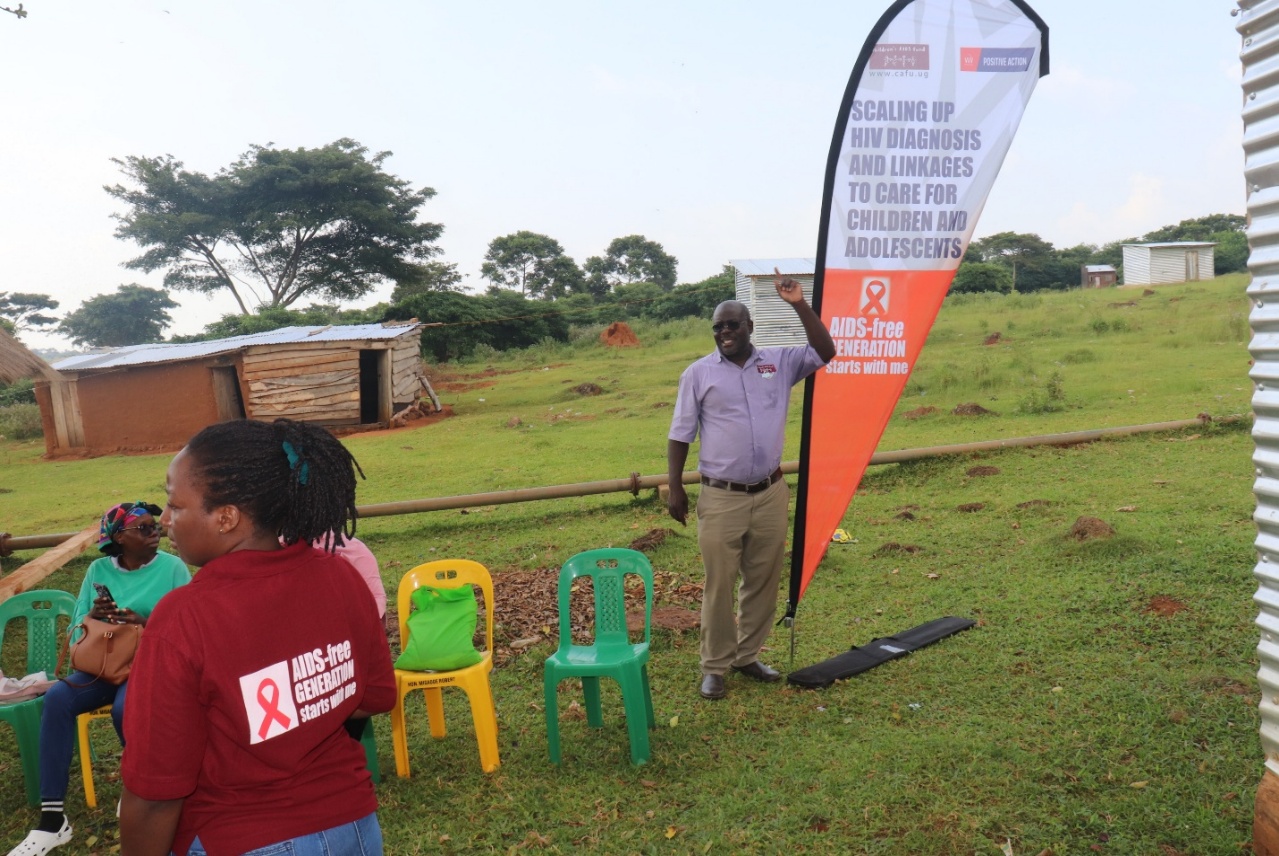
Community teams help link children and adolescents living with HIV to care. CAFU works with district teams, implementing partners and local stakeholders to strengthen these connections and improve service delivery.
Sustainable support also considers household income, quality of life and treatment adherence. Our partnership approach emphasises respectful relationships between health workers and clients, reducing stigma and discrimination, encouraging stronger support for children and adolescents in schools, and continued collaboration with MUWRP and district stakeholders.